PGI kicks off BF1KD Phase 3 to fight malnutrition
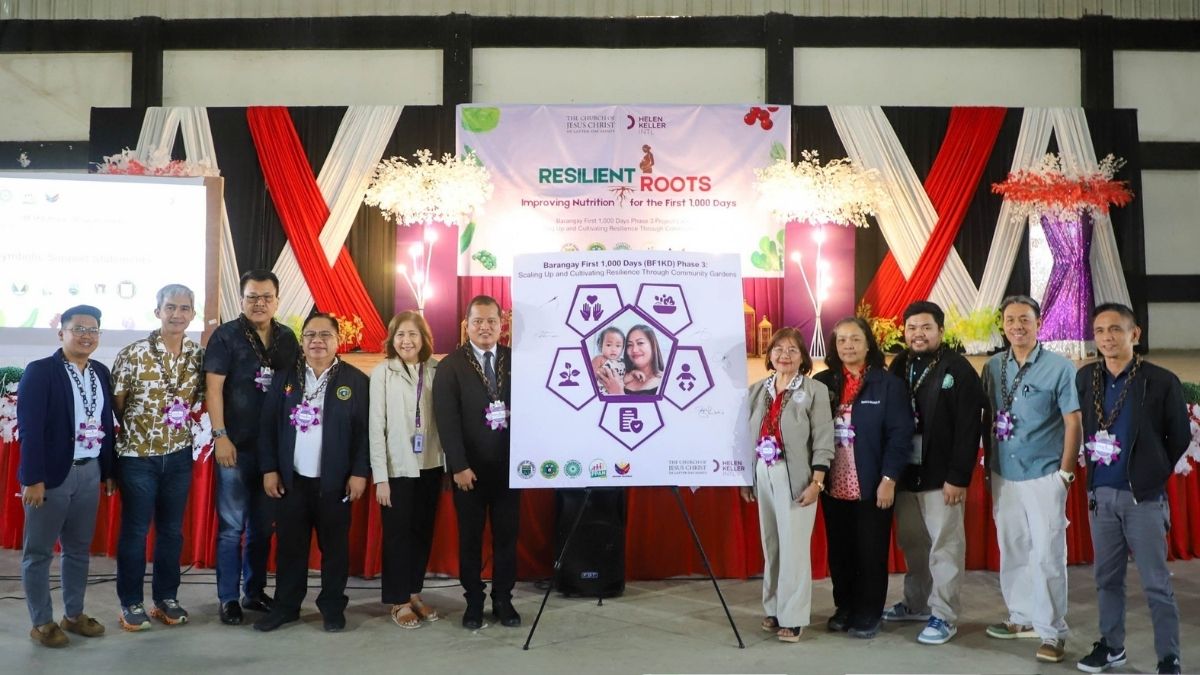
The Provincial Government of Isabela (PGI), in partnership with Helen Keller International–Philippines and The Church of Jesus Christ of Latter-day Saints, launched the Phase 3 of the Barangay First 1,000 Days (BF1KD) program on February 11, 2026 to strengthen nutrition interventions for mothers and young children and reduce malnutrition through coordinated, community-based initiatives.
Phase 3 of BF1KD, launched at the GG Coliseum in Quezon, is a two-year, P12-million initiative (2025–2027) expected to reach more than 30,000 mothers and children across 100+ barangays in Isabela, Negros Occidental, and Naga City.
In Isabela, the program targets around 1,000 pregnant women and 11,500 children aged 0–5 years, focusing on municipalities with high stunting prevalence, including Quezon.
The launch coincided with the signing of a Memorandum of Understanding (MOU) by the local government units of Quezon, Reina Mercedes, Delfin Albano, Roxas, and Gamu, along with partner non-government organizations.
The agreement underscores a collaborative approach among local governments, development partners, and communities to expand nutrition services and maximize impact in priority areas.
The DOH-02 Center for Health and Development presented milestones under Republic Act 11148 (Kalusugan at Nutrisyon ng Mag-Nanay Act), while the National Nutrition Council of Cagayan Valley provided updates on the Philippine Plan of Action for Nutrition 2023–2028, aligning BF1KD implementation with national nutrition strategies.
Quezon Mayor Daryl Gascon highlighted that the municipality already maintains a municipal nursery and backyard gardens in its barangays, which serve as platforms for strengthening nutrition interventions.
He noted that these existing initiatives can be further scaled through collaboration with organizations such as Helen Keller International, enabling local governments and partners to expand nutrition services, improve food security, and build more resilient communities.
The Integrated Provincial Health Office emphasized that the first 1,000 days of life are critical in shaping lifelong health, learning, and development outcomes, and that investments during this period contribute to a healthier and more productive population in the long term.
Key project activities will be implemented in close coordination with the Department of Health, National Nutrition Council, and partner LGUs. These include scaling up mother-to-mother nutrition support groups, promoting homestead food production to improve dietary diversity among vulnerable households, and optimizing diets through improved complementary feeding practices for nutritionally at-risk children.
The initiative also supports the “Gulayan sa Barangay” program to diversify diets in select communities. Strengthened local nutrition planning and policies are likewise being advanced to institutionalize improvements and sustain gains beyond the project period. – Isabela PIO